
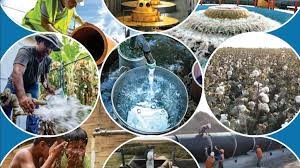
This program provides a comprehensive understanding of water resources and sanitation management as critical components of sustainable development. It emphasizes water as an integrated part of the ecosystem and explores its role as a social and economic resource. Participants will gain technical knowledge, policy insights, and practical skills to address water quality, sanitation challenges, and environmental impacts.
- Teacher: Peter Mangombe

Course Overview
This program is designed to enhance participants' understanding and application of effective workplace counseling and employee welfare management strategies. It focuses on equipping professionals with skills in communication, motivation, conflict resolution, and employee support systems, contributing to a motivated and productive workforce.
- Teacher: Dr Owen Nyamwanza

This modernized training course is designed to equip vocational counselors, career advisors, and related professionals with cutting-edge skills to thrive in a dynamic and diverse workforce. The program focuses on practical applications of vocational counseling principles, integrating technology, cultural diversity, and entrepreneurial approaches. Participants will develop leadership, communication, and analytical skills while exploring global best practices in vocational counseling.
The course incorporates interactive sessions, hands-on activities, and real-world case studies to enhance learning. Fridays are reserved for excursions to provide participants with opportunities to network, unwind, and explore relevant sites in the region.
- Teacher: Prof GT Ndamba
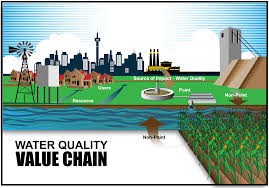
This programme is designed to equip participants with a comprehensive understanding of water quality issues and the principles of water quality modelling. It covers pollution transport, modelling of organic pollution, nutrients, toxins, and sediment quality in aquatic ecosystems. The training includes practical application sessions and excursions to enhance learning.
- Teacher: Dr Lazarus Chapungu

This comprehensive course equips participants with the knowledge and skills to address food security challenges and promote sustainable agricultural development. Through interactive modules, attendees will design strategies for rural development, explore innovative agricultural practices, and develop tools for assessing food security and nutritional status. The program integrates theory, practice, and field experiences, making it ideal for professionals dedicated to creating sustainable agricultural solutions.
- Teacher: Dr Owen Nyamwanza
This course equips project coordinators and managers with essential tools and methodologies for effectively managing donor-funded projects. Participants will explore best practices in financial and project management, learn donor-specific compliance requirements, and enhance their ability to secure and manage funding. The course integrates theoretical knowledge with practical exercises, case studies, and excursions to provide a holistic learning experience.
- Teacher: Peter Mangombe
- Teacher: Tafadzwa Ndamba
This program equips participants with analytical and conceptual skills to understand gender issues in the context of social and economic development. Participants will gain practical expertise in gender-related research, policymaking, and implementation. Designed for professionals in the development sector, this course blends theory with interactive workshops, practical tools, and real-world case studies.
- Teacher: Dr Owen Nyamwanza

This course is designed to provide participants with essential skills and techniques for effective grants management, aligned with global best practices. Through interactive sessions and real-world applications, attendees will learn the full grant management cycle, compliance strategies, internal control systems, and the intricacies of multi-donor funding. The program ensures that participants are well-prepared to manage grants successfully, from planning to closeout.
- Teacher: Dr Munyaradzi Dube
This program equips participants with knowledge and skills to effectively communicate about HIV/AIDS and drive behavior change within communities. The course emphasizes advocacy, stakeholder engagement, stigma reduction, and the design and implementation of BCC strategies tailored to diverse populations.
- Teacher: Peter Mangombe